The tirzepatide return visit comes after the loss
The withdrawal experiment is the center of this page. Sleep and heart outcomes complicate the picture in different ways.
SURMOUNT-4 withdrawal
SURMOUNT-4 deliberately continued beyond the initial loss. Adults with obesity first received tirzepatide during a 36-week open-label period, when everyone knew the treatment being given. Average weight reduction during that period was 20.9%. Participants who completed it were then randomly assigned to continue tirzepatide or switch to placebo for 52 weeks.
From that point, the paths separated. The continuation group lost a further 5.5% of body weight on average. Those switched to placebo regained 14.0%. These percentages describe changes after randomization; the regain figure is not the percentage of the original loss regained.
I regard the withdrawal design as the most revealing turn in this record. It asks a question that the successful opening phase could not answer: whether the result survives removal of the treatment that helped produce it. The evidence supports a sustained-treatment context for obesity, without establishing an identical future for every participant or reader.
Who held on to the initial loss?
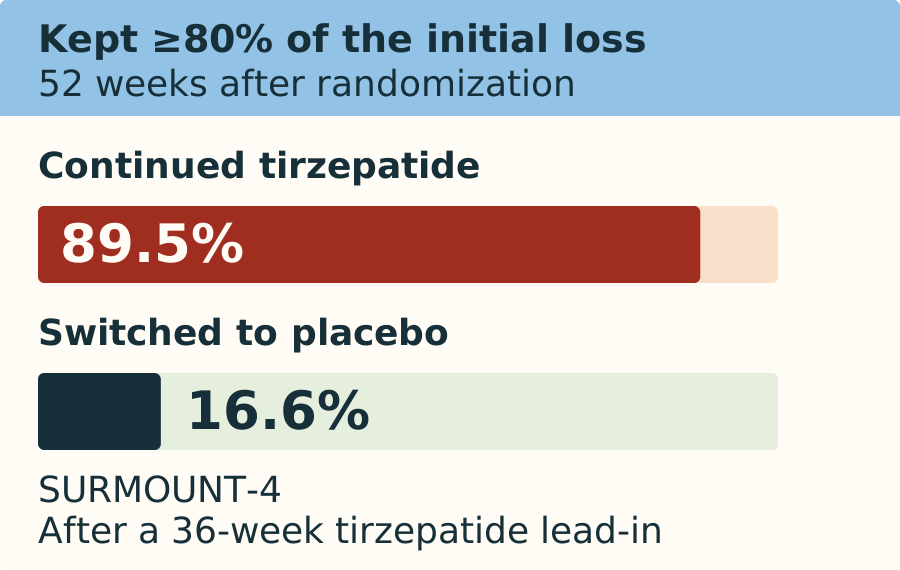
The maintenance endpoint in SURMOUNT-4 makes the divergence especially clear. Among people continuing tirzepatide, 89.5% retained at least 80% of the initial weight loss. Among those switched to placebo, 16.6% did. This comparison followed the same initial treatment period; everyone had received the medicine before randomization.
To my mind, maintenance is a result worth putting on the wall beside the original weight-loss percentage. The study’s selection matters too: randomization came after participants completed the lead-in. Applying this estimate to everyone starting treatment would go beyond the study’s selected population.
Sleep-apnea outcomes
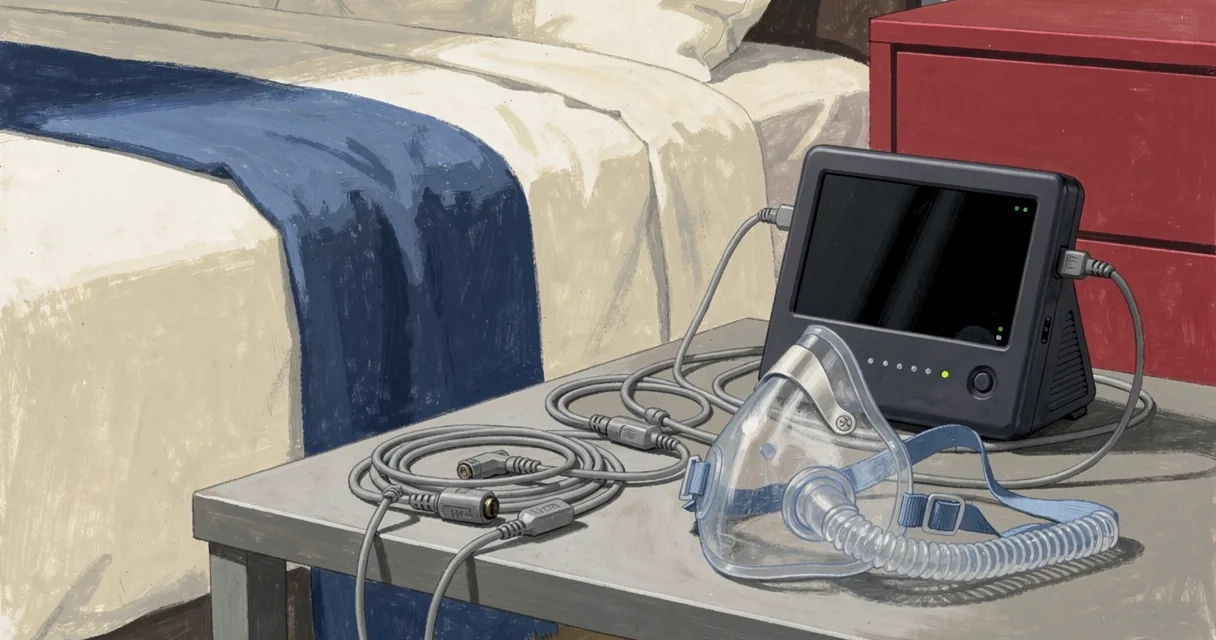
The SURMOUNT-OSA trials measured breathing interruptions during sleep in adults with obesity and moderate-to-severe obstructive sleep apnea. One trial enrolled people not using positive-airway-pressure treatment; the other enrolled people using it. Over 52 weeks, the apnea-hypopnea index fell by 25.3 events per hour in the first tirzepatide group and 29.3 in the second, with greater reductions than placebo. The index counts pauses and reductions in breathing per hour of sleep.
I appreciate the change of subject here. Another large weight reduction would have extended an established story; counting breathing interruptions asks about a different burden of illness. The trial also assessed oxygen-related burden and other outcomes. It does not make an informal report of better sleep equivalent to a measured apnea result, and it does not establish that an individual no longer needs existing sleep-apnea care.
Cardiovascular outcomes
SURPASS-CVOT compared tirzepatide with dulaglutide in 13,299 people with type 2 diabetes and established cardiovascular disease, followed for about four years. Its main outcome combined cardiovascular death, heart attack, and stroke. Tirzepatide met the trial’s non-inferiority test: it was not worse than the comparator beyond the prespecified margin. It did not establish superiority on that primary outcome.
An exploratory analysis favored tirzepatide for deaths from any cause. That finding is worth discussing, but I balk at making it the primary result the trial did not achieve. “Not inferior” is a meaningful answer in a comparison with an active medicine; it is also a narrower answer than a general claim of better heart protection.
I wanted the heart finding to be as emphatic as the weight result, but the primary comparison was narrower, and its exploratory mortality result has to carry that qualification.